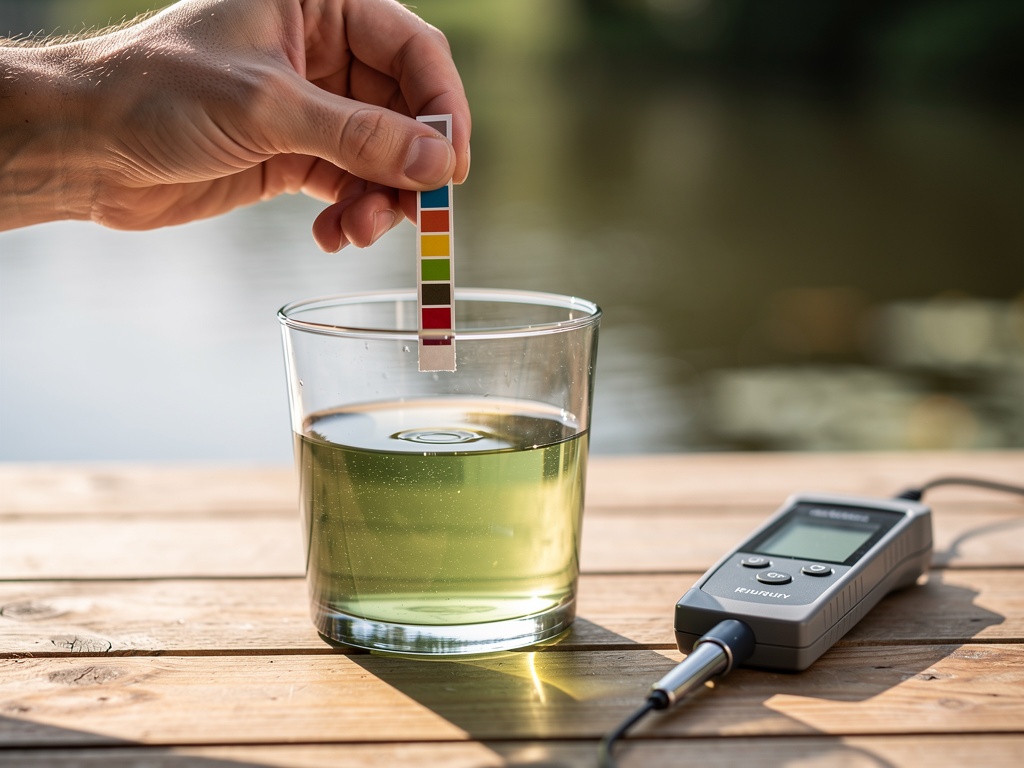
Ideal water quality ranges
These are general working ranges used in CAA and MPEDA guidance. Exact targets vary by species, system and season — always follow your current official BMPs.
| Parameter | Ideal range | Critical limit | Why it matters |
|---|---|---|---|
| Dissolved oxygen (DO) | 4–8 mg/L | Below 3 mg/L is dangerous | Shrimp need oxygen to eat and grow; low DO causes stress and mortality |
| pH | 7.5–8.5 | Below 7 or above 9 | Extreme or swinging pH stresses shrimp and raises toxic ammonia |
| Temperature | 26–32 °C | Below 24 °C | Growth slows sharply in cold water |
| Salinity (vannamei) | 10–25 ppt | Rapid changes | Sudden salinity shifts cause moult stress |
| Total ammonia (TAN) | < 1 mg/L | Un-ionized NH₃ > 0.1 mg/L | Ammonia is toxic; builds up from feed waste |
| Nitrite (NO₂) | < 1 mg/L | > 2 mg/L | Nitrite blocks oxygen uptake |
| Alkalinity | 100–200 mg/L | Below 80 mg/L | Buffers pH; low alkalinity means unstable pH |
| Hardness | 100–200 mg/L | Very low | Needed for moulting and shell formation |
| Secchi depth | 25–40 cm | Too clear or too dark | Measures plankton bloom; extremes mean trouble |
Daily monitoring routine
| When | What to check |
|---|---|
| Dawn (before sunrise) | DO (lowest point), temperature |
| Mid-morning | pH, salinity, water colour, feeding response |
| Afternoon | Temperature, pH peak, plankton density |
| Weekly | Ammonia, nitrite, alkalinity, hardness |
| After rain / water change | Re-check salinity, pH and temperature |
Keep a daily record book. Trends matter more than single readings — a slowly falling DO or rising ammonia is your early warning.
Fixing common problems
| Problem | Likely cause | What to do |
|---|---|---|
| Low DO at dawn | Overfeeding, dense bloom, aerator failure | Increase aeration, reduce feed, check aerators |
| Rising ammonia | Overfeeding, poor water exchange | Cut feed, improve circulation, exchange water carefully |
| pH crash | Low alkalinity | Apply lime per soil/water test |
| Sudden salinity change | Rain or freshwater inflow | Manage inflow, check and adjust gradually |
| Water too dark | Algal bloom crash or over-fertilisation | Reduce fertiliser, increase aeration, partial water change |
Do not add lime, minerals or any treatment without testing first. Wrong doses can kill shrimp. Follow official BMPs and consult a qualified aqua consultant.
Minerals and low-salinity farming
In low-salinity and inland ponds, minerals like potassium and magnesium can be deficient and must be checked. Inland saline vannamei farming depends on getting the mineral profile right, not just the salinity number.
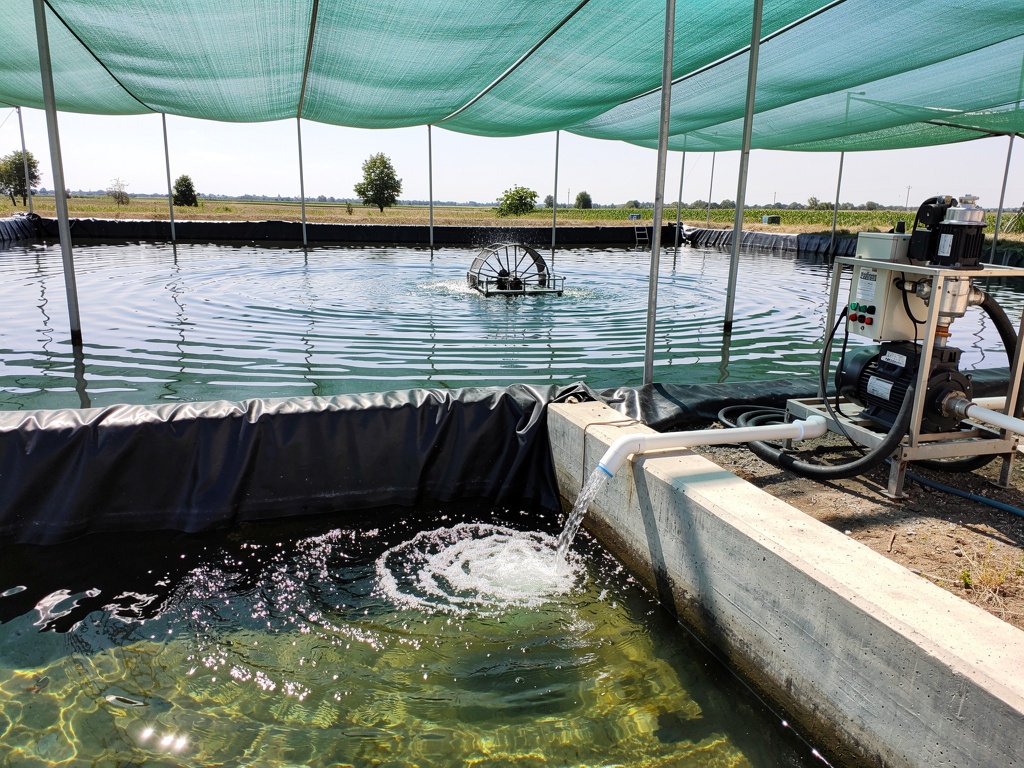
Send water samples to a recognised lab for a full mineral and residue panel before stocking, especially on new or inland sites.
Keep water quality on track
Use the water parameter cheat sheet and calculators, or learn to recognise disease early.
Calculators Disease guide