Shrimp farming is not a get-rich-quick business. Disease, price swings and water problems can wipe out a crop. Start small, learn one species well, and treat every official figure here as a starting point — verify with CAA, MPEDA and your state fisheries department.
1. Choose your site and species
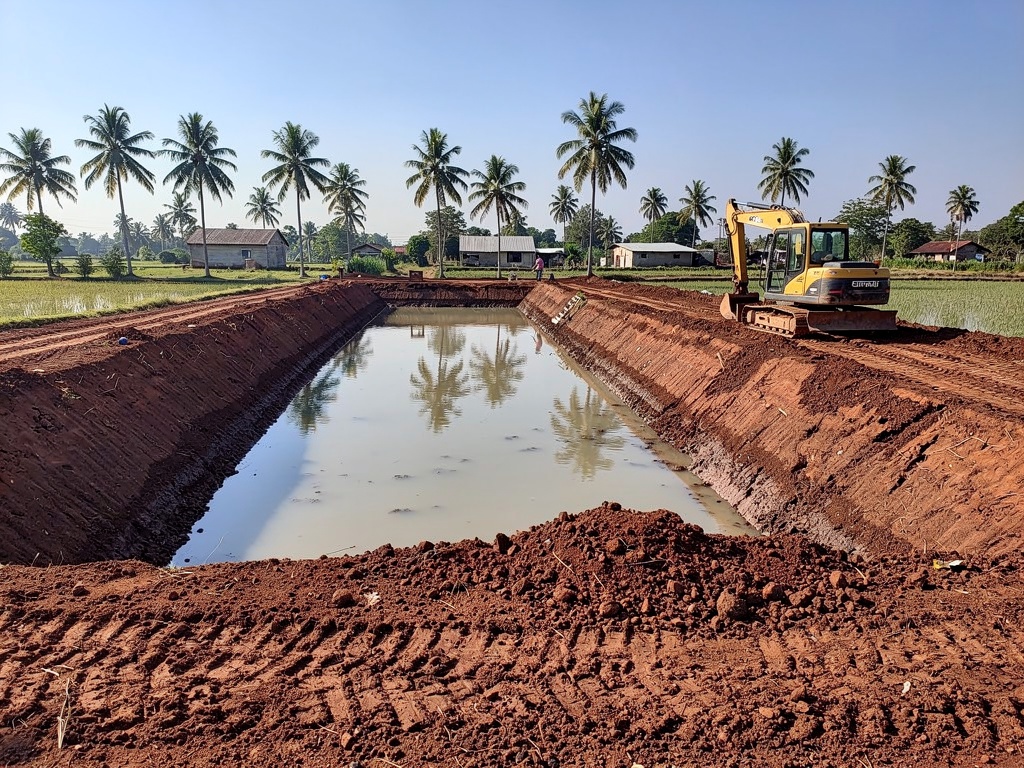
Your site decides which species makes sense. Coastal brackish water suits vannamei and black tiger; freshwater inland ponds suit scampi (and low-salinity vannamei in some states).
| Factor | What to check |
|---|---|
| Water source | Reliable supply of good-quality water, year-round |
| Salinity | Brackish (10–25 ppt) for coastal shrimp; fresh for scampi |
| Soil | Clay or clay-loam that holds water; not too sandy or acidic |
| Land | Flat, low-lying, away from flood risk; legal clear title |
| Power | Grid power for aerators and pumps, with backup |
| Access | Road access for inputs and harvest transport |
2. Soil and water tests
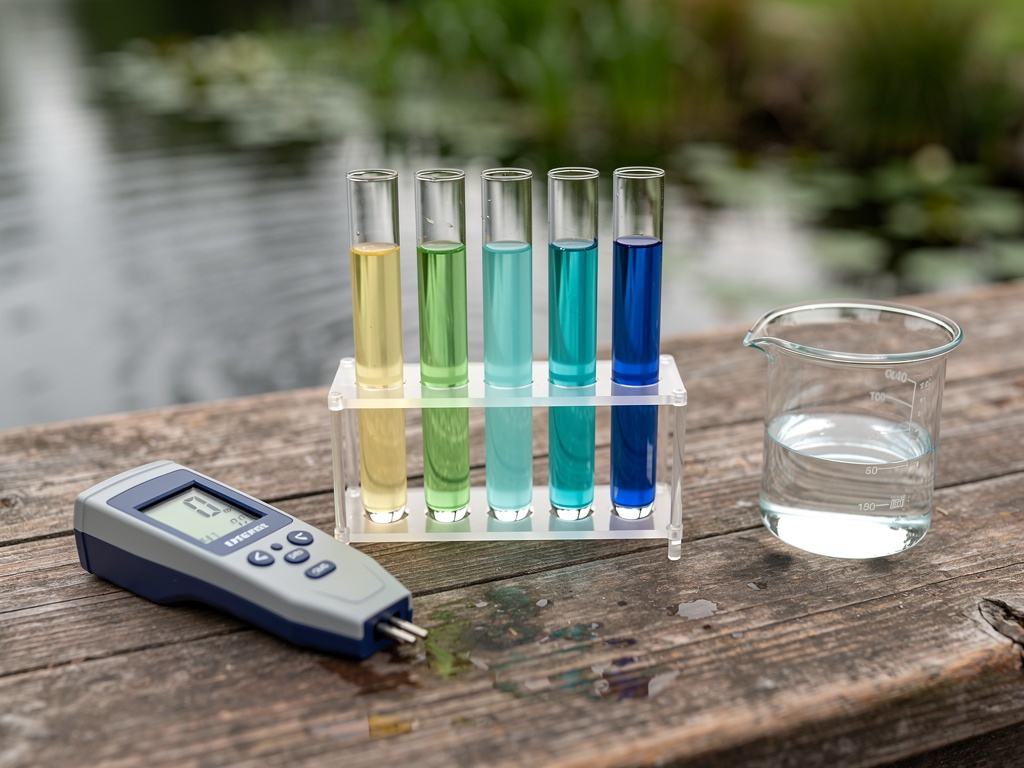
Test before you invest. A simple soil and water analysis tells you whether the site can hold water and support a crop. Send samples to a recognised laboratory or your state fisheries department.
- Soil pH (ideal 7.0–8.5) and texture
- Water salinity, pH, alkalinity and hardness
- Iron and other minerals that can harm shrimp
- Pesticide / heavy-metal residues (inland areas)
3. Pond layout
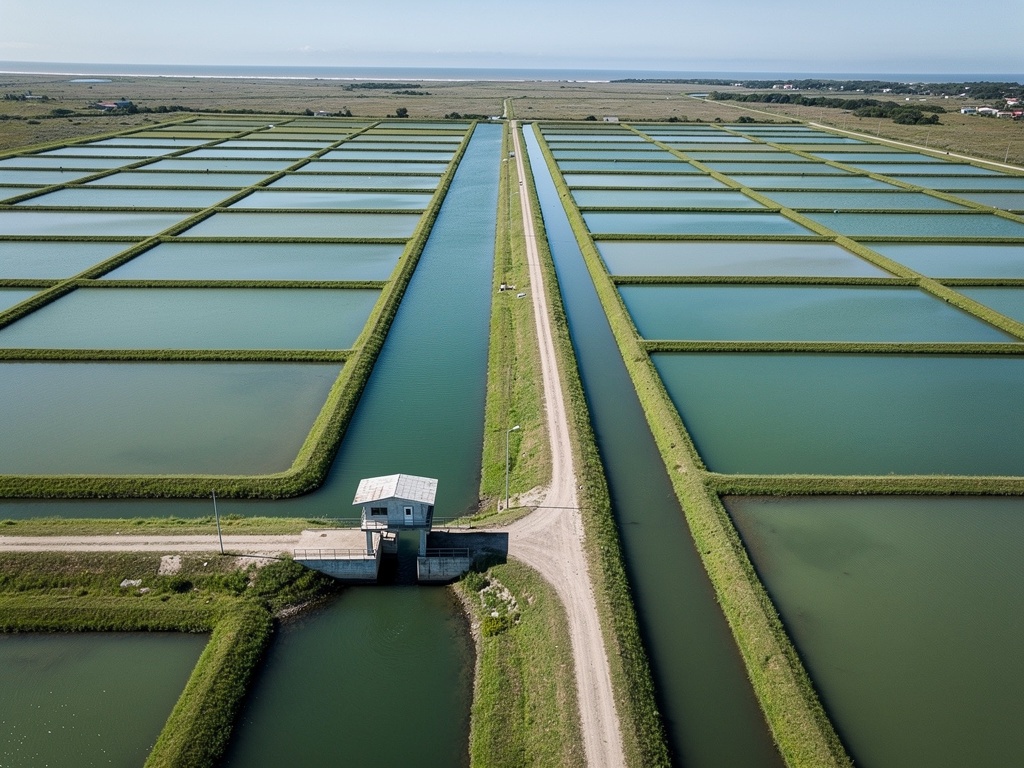
A good farm layout keeps clean water in and waste water out, and makes biosecurity possible.
- Ponds: rectangular, 0.5–1 ha each for easy management.
- Supply channel: separate from drainage — never share.
- Reservoir: store and treat incoming water before it reaches the ponds.
- Drainage / ETS: an effluent treatment system to treat outgoing water.
- Dykes: wide, firm, grassed to stop erosion and wild entry.
4. CAA registration
Coastal farms must register with the Coastal Aquaculture Authority (CAA) under the Coastal Aquaculture Authority Act, 2005. Operating without registration can attract serious penalties.
The full process — documents, fees and the inspection — is on the CAA registration page. Freshwater scampi farms follow state fisheries rules, so check your state department.
5. Vannamei permission
Culturing SPF L. vannamei requires a separate permission after a farm inspection, on top of basic registration. Only tested, certified seed from CAA-authorized hatcheries is allowed.
Farm registration + vannamei permission. Both are mandatory for vannamei farming. See the step-by-step page for the document list and fee guidance.
6. Your first crop
Prepare the pond
Dry the pond bottom, repair dykes, apply lime, fertilise and fill with filtered water.
Build a plankton bloom
Green water (phytoplankton) is the natural food and shade for young shrimp.
Stock certified seed
Acclimatise the PL to pond temperature and salinity, then release at the correct density.
Feed and aerate
Follow a feeding-tray schedule and keep aerators running — oxygen is everything.
Monitor water daily
Record DO, pH, temperature, salinity and ammonia every day.
Harvest and sell
Partial or full harvest, ice immediately, grade and sell through your market channel.
Each of these steps has its own guide under Operations.
Ready for the paperwork?
Get the full CAA registration walkthrough with document list and fees.
CAA registration guide Calculators