Subsidy percentages vary by beneficiary category (general, SC/ST, women, NE states) and by state. The figures on this page are indicative — always confirm the current rate and application path with your state fisheries department or NFDB before planning around a subsidy.
PMMSY and NFDB
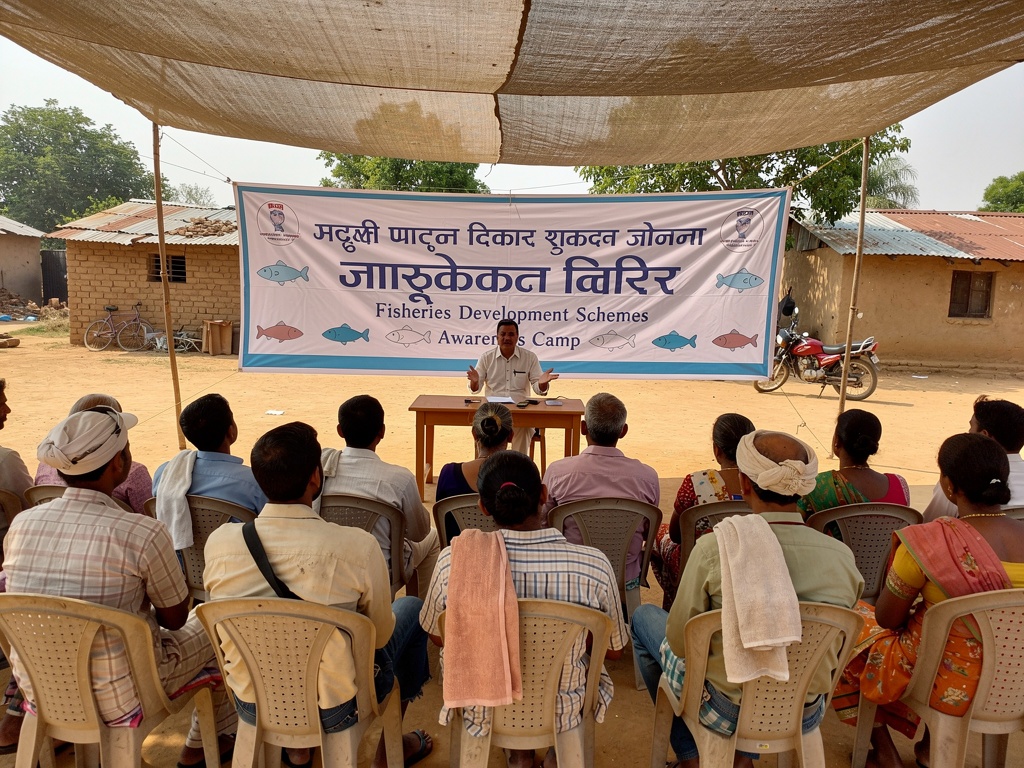
The Pradhan Mantri Matsya Sampada Yojana (PMMSY) is India's flagship fisheries scheme. It supports aquaculture through the NFDB (National Fisheries Development Board) and state fisheries departments. Typical support areas for shrimp farming:
- Pond construction and renovation
- Aerators and farm equipment
- Biofloc and RAS (recirculating aquaculture systems)
- Hatcheries and seed production
- Insurance incentives
- Training and extension
FIDF loans
The Fisheries Infrastructure Development Fund (FIDF) provides concessional loans for fisheries infrastructure — including aquaculture — through banks and financial institutions. Interest subvention lowers the effective cost of borrowing.
Loans are routed through banks; you need a viable project plan and, for coastal farms, CAA registration. Check the current FIDF terms with your bank or state fisheries department.
MPEDA farm enrolment
MPEDA (Marine Products Export Development Authority) runs a farm enrolment programme for shrimp farms. Enrolment supports traceability, connects farms to export buyers, and is a step toward certification. It is separate from CAA registration but works alongside it.
SHAPHARI certification
SHAPHARI is MPEDA's certification scheme that supports traceability and quality in shrimp farming. Certified farms meet documented better-management practices, which helps export access — especially for demanding markets like the EU.
Buyers increasingly demand proof of where and how shrimp were farmed. MPEDA enrolment and SHAPHARI certification give you that proof.
Export requirements and residue testing
Frozen shrimp is the backbone of India's seafood exports. For the EU market, farms must meet pre-harvest testing (PHT) and residue-free requirements. Banned antibiotics and many pharmacologically active substances are prohibited; residue-free production is essential.
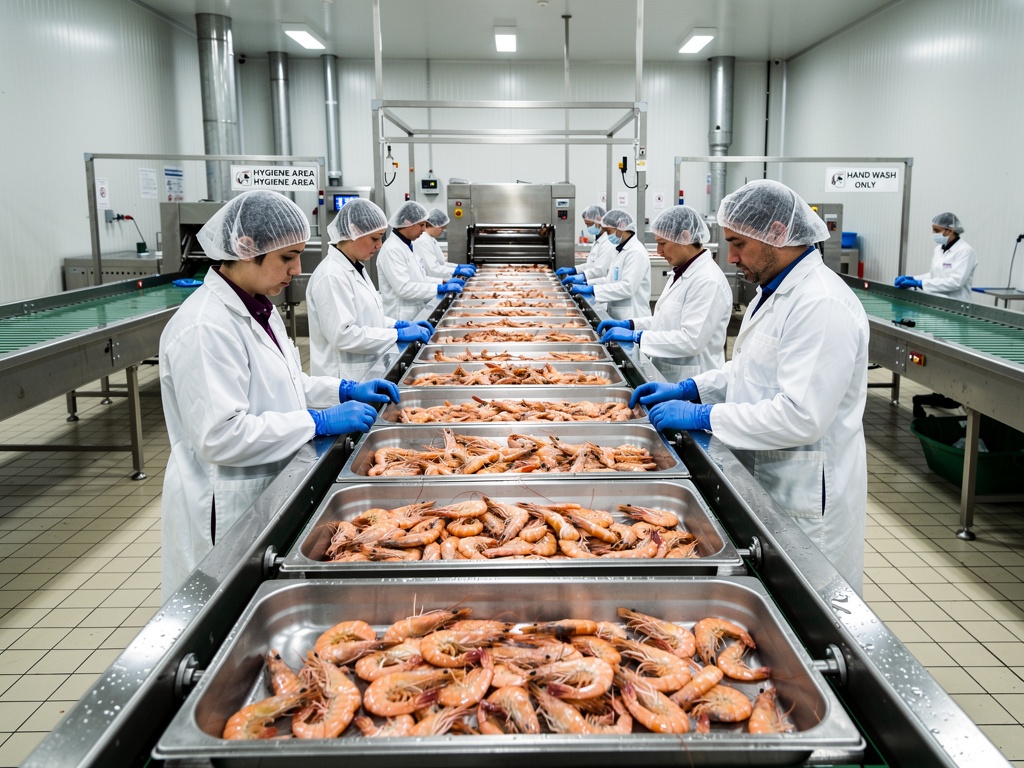
Using banned antibiotics can bring penalties, export bans and ruin a farm's reputation. Follow official BMPs and test before harvest.
How to apply — the real path
Confirm eligibility
Check your category and state package with the state fisheries department.
Prepare documents
Project proposal, land documents, CAA registration (coastal), bank details.
Submit the application
Through the state fisheries department or NFDB under PMMSY, or your bank for FIDF.
Inspection and approval
The department verifies the project before releasing funds.
Claim the subsidy
Keep all invoices and records; subsidies are reimbursed against documented expenses.
State packages differ — see the state hubs for state-specific notes.
Start with the legal foundation
Most schemes require CAA registration first. Get the registration process right.
CAA registration guide Economics