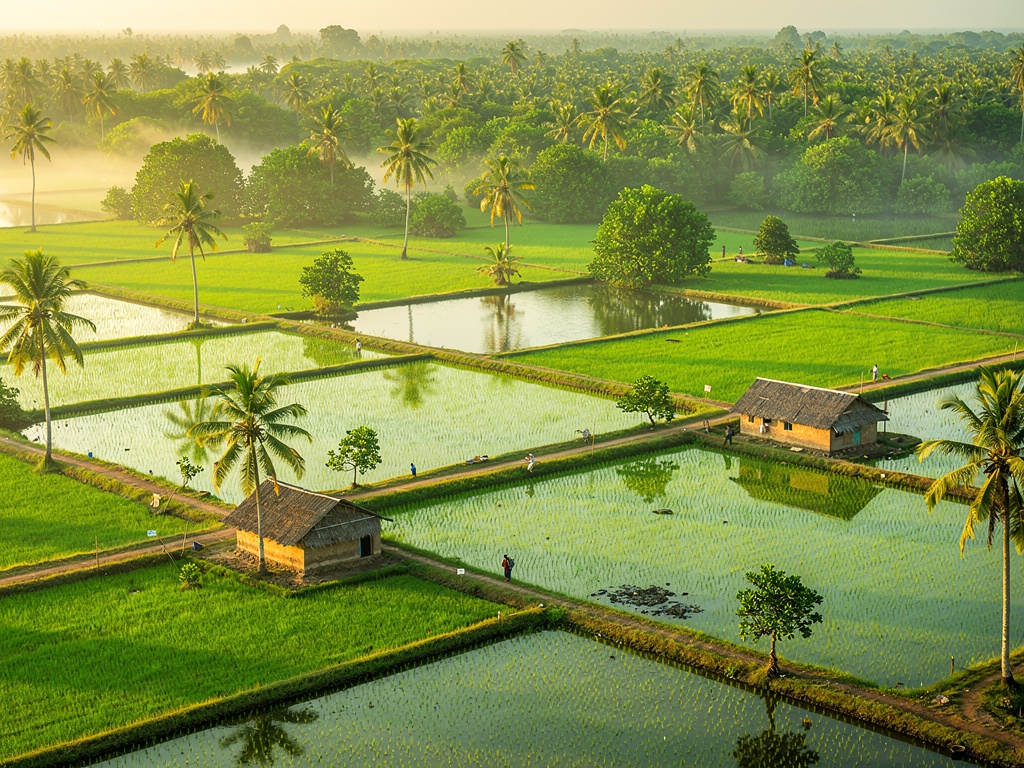
The bagda tradition
West Bengal's coastal farmers have long grown bagda — black tiger shrimp — in brackish ponds, often in low-input systems. Tiger shrimp remains culturally and economically important here, and the state is a natural home for the tiger revival.
Vannamei is also expanding in suitable coastal areas, following CAA rules and certified seed. See the black tiger guide and vannamei guide for species details.
The Sundarbans and CRZ
The Sundarbans is a sensitive mangrove ecosystem. Farming there must respect CRZ (coastal regulation zone) and mangrove rules. New ponds and expansions are tightly controlled — check with the WB fisheries department and CAA before any new construction.
Do not clear mangroves or build in protected zones. Compliance protects both the environment and your legal standing as a farmer.
Water and seasons
- Brackish water from estuaries and tidal creeks.
- Monsoon flooding is a real risk — plan dyke height and drainage.
- Cyclones in the Bay of Bengal can damage farms; insurance helps.
Schemes and support
WB runs state aquaculture programmes alongside PMMSY/NFDB, including support for brackish-water ponds and seed. Confirm current rates with the West Bengal Department of Fisheries.
Starting in WB
Check land and CRZ status
Confirm you can legally farm the site.
Register with CAA
Coastal registration; vannamei permission if farming vannamei.
Choose bagda or vannamei
Match species to your water and market.
Buy certified seed
From CAA-authorized hatcheries.
Follow BMPs and insure
Biosecurity and insurance protect against floods and disease.
Compare with other states
See Andhra Pradesh, Odisha, Tamil Nadu, Gujarat and inland areas.
All state guides CAA registration