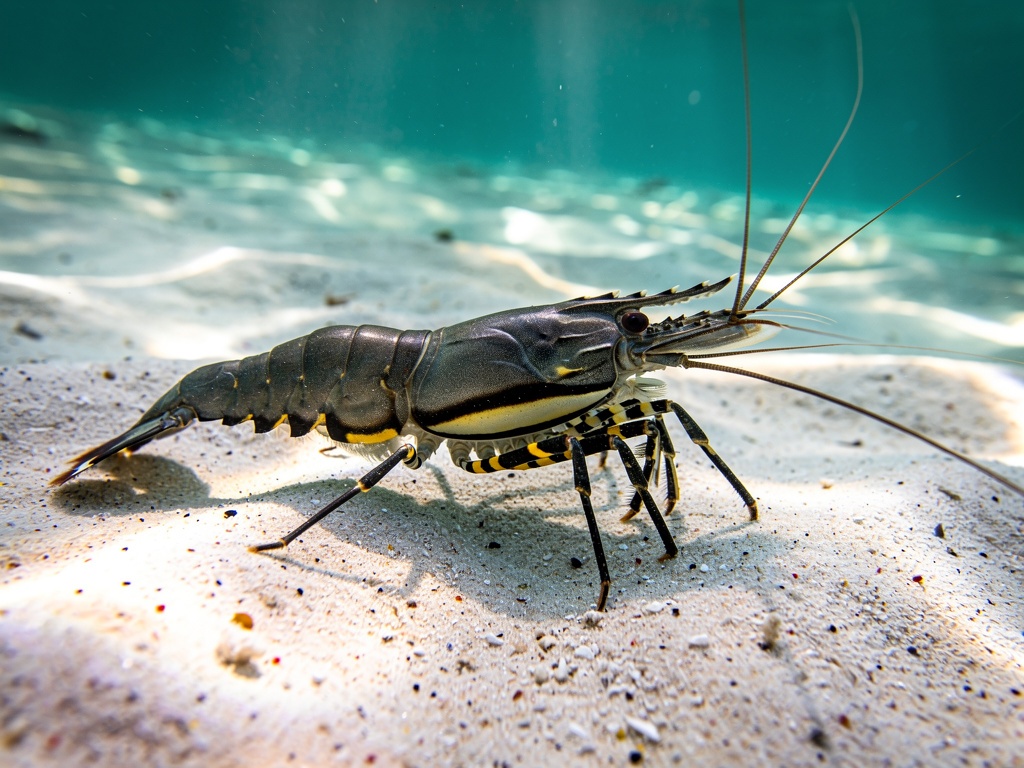
Biology at a glance
Black tiger shrimp is native to the Indo-Pacific and was India's main farmed species before vannamei arrived. It grows to much larger sizes — 30–50 g and beyond — which is why it earns premium prices. But it grows slower, needs lower stocking densities and is more vulnerable to WSSV.
Water and salinity
| Parameter | Ideal range | Notes |
|---|---|---|
| Salinity | 10–25 ppt | Tolerates 5–30 ppt |
| Temperature | 27–32 °C | Warmer water speeds growth |
| Dissolved oxygen (DO) | ≥ 4 mg/L | Keep above 3 mg/L at all times |
| pH | 7.5–8.5 | Stable daily swing preferred |
| Alkalinity | 100–200 mg/L | Lime if low |
Crop cycle
| Stage | Duration | Key actions |
|---|---|---|
| Pond preparation | 2–3 weeks | Drying, liming, fertilising, bloom |
| Grow-out | 120–170 days | Lower density, careful feeding, health checks |
| Harvest | 1–2 weeks | Selective harvest of large animals |
Because tiger shrimp grow unevenly, farmers often do selective (partial) harvests — removing the biggest animals first and letting smaller ones grow on.
Seed
Use certified, disease-tested seed from CAA-authorized hatcheries. Tiger shrimp seed quality matters even more than for vannamei because the species is prone to WSSV and slow-growth problems. Ask for the batch test reports before you buy.
Feeding and FCR
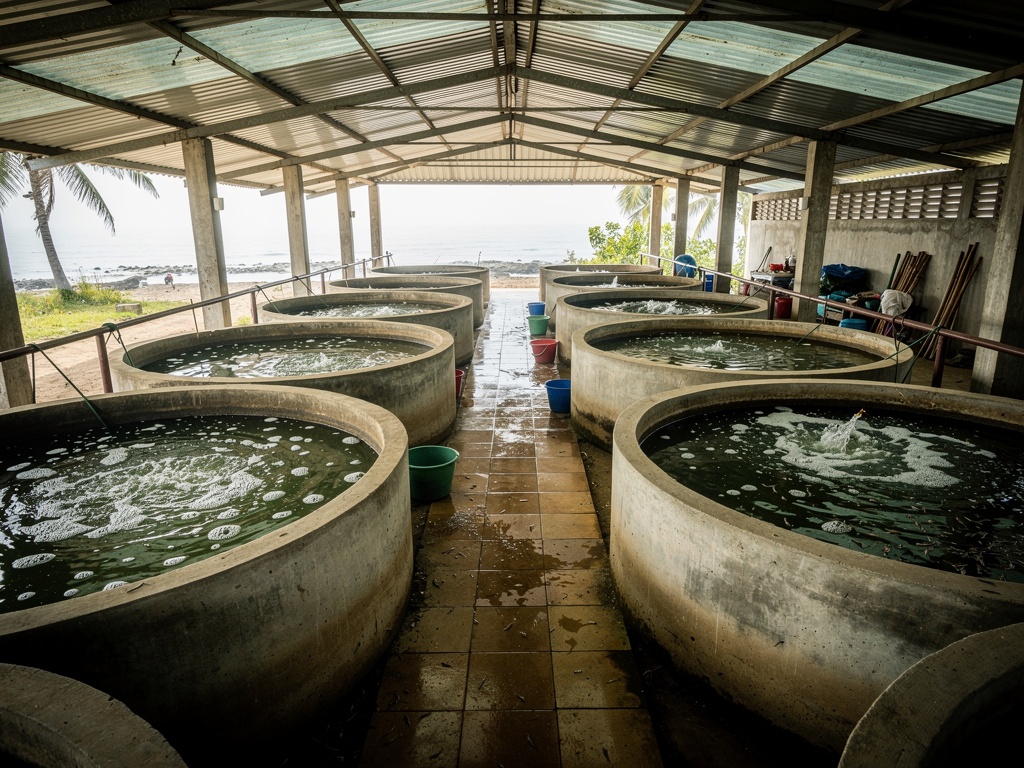
Tiger shrimp need species-specific feed and a feeding-tray regime. Expect a slightly higher FCR than vannamei — roughly 1.5–2.0 — because the crop runs longer. Feed trays let you match feed to appetite and avoid waste.
The premium price of large tiger shrimp comes with a longer crop and more risk. Plan cash flow for a 5–6 month cycle before you start.
Diseases
WSSV is the biggest threat to tiger shrimp and caused the collapse of many farms in the 1990s–2000s. Today's revival depends on SPF/SPT seed, strict biosecurity and good water quality.
- WSSV — sudden mass mortality; prevention only.
- Slow growth / runt syndrome — often linked to poor seed or EHP.
- Vibrio infections — shell disease and mortality under stress.
See the disease guide for symptoms and correct responses. Never use banned antibiotics or unapproved chemicals.
Market and the revival
Large black tiger shrimp (30–50 g and above) fetch premium prices in export markets and increasingly in India's domestic market. The revival is being driven by:
- Premium prices for big sizes that vannamei rarely reaches.
- Growing domestic demand for large whole shrimp.
- Better SPF/SPT seed and improved farming practices.
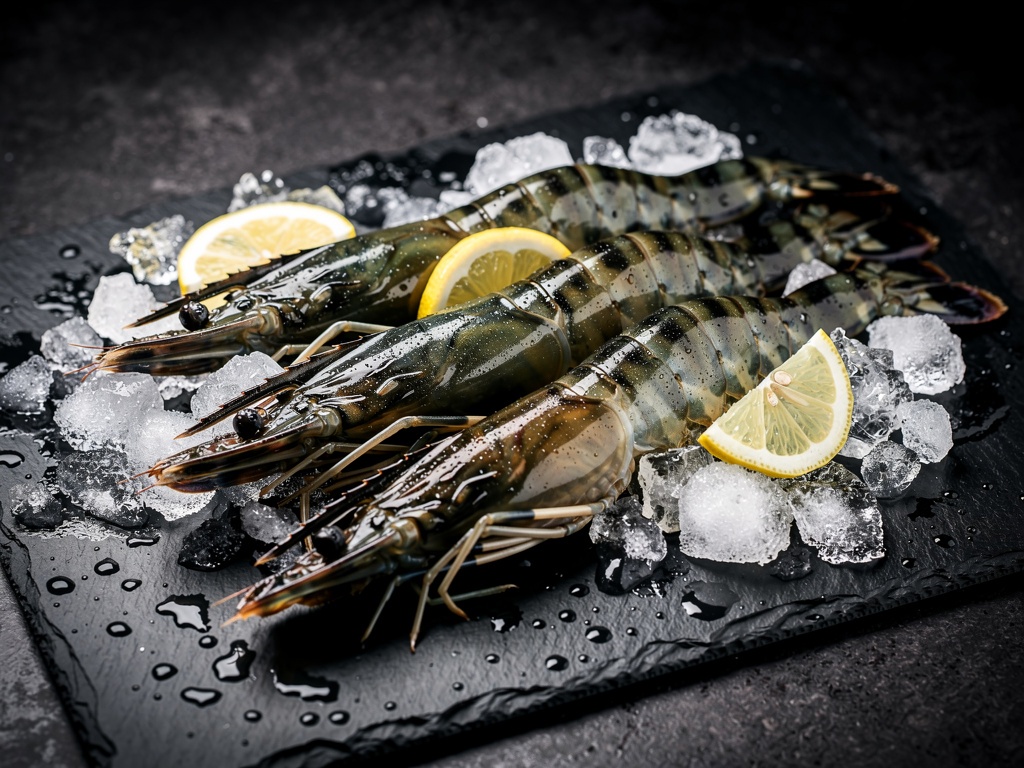
Premium prices depend on achieving large sizes, which needs a longer, riskier crop. Compare the full economics of tiger vs vannamei before choosing. See costs and returns.
Compare species before you choose
Vannamei vs tiger vs scampi — growth, risk, market and economics side by side.
Vannamei guide Scampi guide